
Good Nutrition in School-Going Children
In this article, we cover the importance of GOOD NUTRITION in school-going children, and what constitutes healthy food choices.
Good nutrition in children is critical to:
- Appropriate growth
- Physical and mental development
- Overall health
In 2012 SANHANES-1 (population health survey) identified information in the following key areas:
- Nutritional Status of children
- Dietary knowledge
- Identification of healthy foods by children
- Breakfast
- Lunch boxes
Findings of the Health Study amongst SA School Children
Nutritional Status of SA School Children
| Age Group | Overweight | Obesity | |
|---|---|---|---|
| 2-5yrs (Pre-school): | girls | 19% | 5% |
| boys | 17.5% | 4.4% | |
| 6-14yrs (Primary School): | girls | 16.5% | 7.1% |
| boys | 11.5% | 4.7% | |
| 13-18yrs (High School): | girls | 16.7% | 5.6% |
| boys | 7.5% | 2% |
Note:
- Girls are generally more susceptible to being overweight than boys BUT this is a growing problem in boys.
- The rates of overweight and obesity is highest in the pre-school group: a serious problem with implications for health issues throughout childhood, the school years and life! Are these kids active enough? And are parents neglecting the responsibility to lay a good nutritional foundation in childhood?
Dietary Knowledge of SA School Children
Score on children’s general nutrition knowledge:
HIGH SCORE 0.9%
MEDIUM SCORE 27.3%
LOW SCORE 71.7%
SA Children’ ability to identify healthy foods
HIGH SCORE 53.2%
MEDIUM SCORE 38.2%
LOW SCORE 8.6%
Note: It is encouraging to note that more than 50% of school going kids do have a good knowledge of healthy foods. This is thanks to new innovations in the school system where more nutrition topics are covered than before, and also to those parents who do teach and encourage good nutrition practices at home.
BREAKFAST: SA school children
⅔ of children ate breakfast before going to school
86% of children believed it was important to eat breakfast before school
Lunch Boxes: SA School Children
> ½ children did NOT take lunch boxes to school
< ⅓ (29.8%) indicated that “there was nothing at home to put in the lunch box”
Recommendation based on SANHANES 2012 Results:
Nutrition interventions are needed to address the dual problem of chronic undernutrition as well as the rapidly rising trend of overweight and obesity among children in SA:
- School curricula to focus on healthy eating and healthy lifestyles
- The INTEGRATED SCHOOL HEALTH PROGRAM should be strengthened
- School vendors and healthy choices
Children need to understand the ROLE of GOOD NUTRITION:
- GROW properly
- CONCENTRATE and LEARN better
- PERFORM better on the sports field
- FIGHT ILLNESS more effectively
NUTRITION REQUIREMENTS OF CHILDREN (different to those of adults)
The child’s nutritional intake needs to cover:
- Rapid linear growth
- Rapid brain development
- Rapid development of immunity
- Rapid recovery following infection
- Physical activity
BASIC HEALTHY EATING PRINCIPLES FOR CHILDREN
- Eat 3 main meals a day
- Eat 2 to 3 healthy snacks a day
- Eat food from all the food groups every day
- Drink plenty of water every day
Eat Regular Meals:
- Children have a greater need for protein and energy-dense foods (per kg) than adults.
- Children also require a lot of energy relative to their size, but their stomach capacity is small.
- It is, therefore, more important that they eat regularly to ensure that they are able to meet their requirements.
What makes a Balanced Diet?:
- Carbohydrates – the body’s source of fuel (petrol)
- Proteins – building blocks
- Fruits and vegetables – (vitamins & minerals)= protection from illness
- Dairy products – (Calcium) = bone growth and healthy teeth
- Fats – another source of energy: yet VERY little is needed
- Water – (our bodies are mostly made of fluid), therefore we need to drink plenty of water to prevent dehydration
The FOOD PLATE
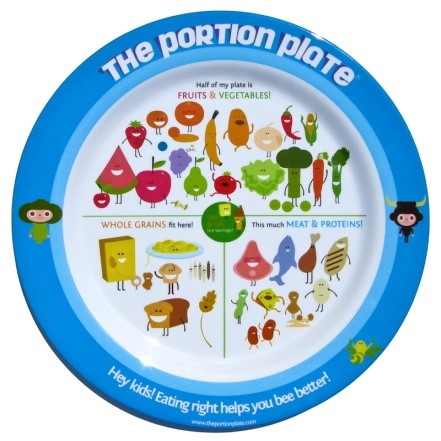
CARBOHYDRATES
- The body’s preferred source of energy: a carbohydrate-rich food should be included in all 3 main meals, and both snacks
- “Good” vs “Bad” carbohydrates: consider the GLYCAEMIC INDEX: a measurement of the RATE at which a carbohydrate food is digested and absorbed as glucose for use as ENERGY.
Choose Low GI carbohydrate sources:
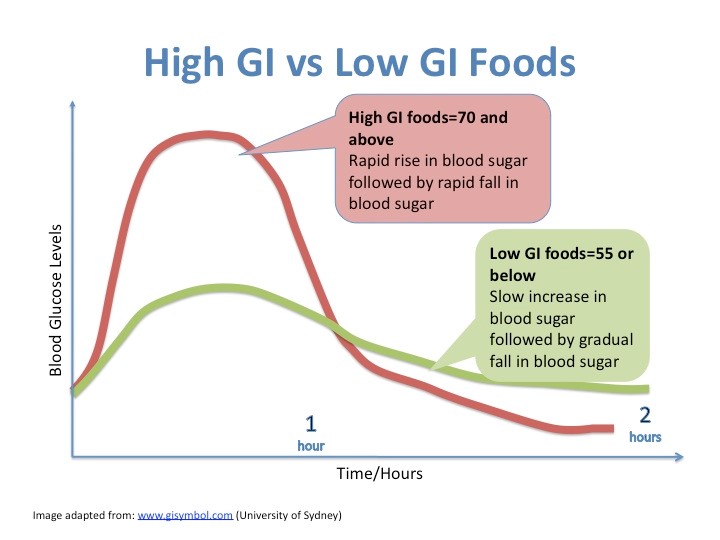
Low GI fuel provides sustained blood glucose and thus sustained ENERGY, 4- 5 hours,
WHILE high GI fuel lasts for only one hour, causing a CRASH of blood glucose and thus ENERGY levels.
LOW GI FOODS (only refers to carbs)
| FOOD GROUP | LOW GI | HIGH GI |
|---|---|---|
| BREADS | Dense, whole-grain seed / low GI / rye bread. Soya-enriched breads | Normal white / brown bread White rolls |
| CEREALS / PORRIDGE | Soya Life porridge, oats, muesli, ProNutro, Hi Fibre Bran | Mealie-pap; Rice Krispies; Corn Flakes; sugar-coated cereals |
| STARCH | Rice; Durum wheat pasta; baby and new potatoes; corn on the cob; Provitas; Ryvita | Cream crackers; Marie biscuits; most cakes and commercial muffins |
| BEANS AND LEGUMES | Baked beans; lentils; chickpeas; any beans | - |
| VEGETABLES | All vegetables | - |
| FRUIT | Most fruit especially deciduous and citrus fruit; bananas | >30g dried fruit |
| DAIRY | All low fat, sugar-free dairy products | - |
| OTHER | Low GI meal replacers such as Soya Life Meal Replacement Drink. Popcorn | Coke, all soft drinks; sweets; sugar; biscuits; cake; crisps; chocolates |
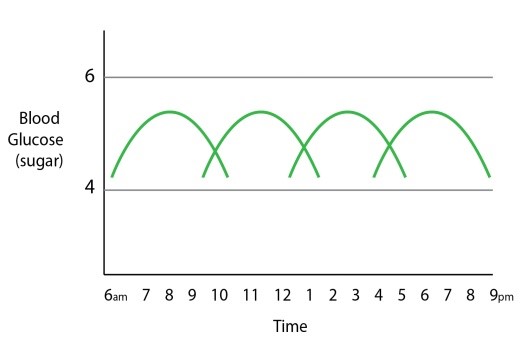
By eating Low GI foods blood sugar levels will be stable ALL day
= Increased energy levels, improved concentration, improved behaviour, improved sports performance
PROTEIN FOODS
- Meat, fish, chicken, eggs, nuts, peanut butter and legumes (dried beans, lentils and chickpeas).
- A protein-rich food should be included with every meal.
- The ideal portion size is that of the size of the palm of the child’s hand
FRUITS AND VEGGIES
- Include plenty of fruit and veggies in the diet
- Aim for: > 5 portions per day (2 fruits and 3 veggies)
- 1 portion of fruit: ½cup of fruit salad / chopped fruit OR a piece of fruit – size of a tennis ball
- 1 portion of veggies: ½ cup cooked veggies &/OR 1 cup of raw veggies.
Note:
- These portions may be a bit big for your child. Rather offer small portions to encourage them to eat their greens, instead of putting them off with big portions.
- An appropriate portion size for young children (5-7y) is 2 to 3 tablespoons
DAIRY PRODUCTS
- Children need more calcium than adults
- Therefore they should consume more dairy products (unless they have a diagnosed allergy / intolerance)
- Cow’s milk, yoghurt and cheese
- 2 to 3 portions per day:
- 1 portion = 1 cup of milk or yoghurt OR match-box size block of cheese
FATS
- Fats and oils are very energy dense foods: a very small amount = a large amount of calories
- Limit the amount of butter, margarine, mayonnaise, salad dressing, fried foods, high fat baked goods
- Children do need more fat in their diet than adults, but it needs to be “healthy” fat from avocados, nuts, seeds, oily fish and olives rather than fat on meat or skin on chicken
WATER
- An essential component of all diets
- Children require at least 4-6 glasses water/day
- Function:
- Replenish losses especially if they do sport
- Enhance all body functions
- Enhance concentration
SWEETS
- Sweets are treats
- While a small sweet treat daily is fine, it is better to limit their availability and offer healthier snacks such as:
- Fruit
- Cheese
- Lean biltong
- Popcorn
This ensures that the child consumes all the nutrients he/she requires and not just empty calories.
Comments are closed.