Currently browsing: Health Issues


Plant-Based Lifestyles: Brain Health
Prevent or slow down the progression of dementia/age-related cognitive decline. Dementia is a general term used to describe a decline in cognitive abilities (such as memory, language, and decision-making) that is severe enough to interfere with a person’s daily life. It is not a specific disease but rather a group of symptoms that are caused by various underlying conditions, including Alzheimer’s disease, vascular dementia, Lewy body dementia, frontotemporal dementia, and others.

Diet, Lifestyle, Genetics and Health
A simple overview of how diet and lifestyle changes can positively influence gene expression which in turn can have important effects on health and disease risks. Ever heard of the term EPIGENETICS? Epigenetics refers to changes in gene expression that occur without changes to the underlying DNA sequence. These changes can be hereditary and can be influenced by environmental factors, such as diet, lifestyle and environment.

Good Health and Happiness
How can good lifestyle and plant-based dietary choices help combat depression? A mind-blowing statistic (published in the journal Nutritional Neuroscience) grabbed my attention: Higher consumption of vegetables may cut the odds of developing depression by as much as 62 percent! This review article concluded that, in general, eating LOTS of fruits and vegetables may present “a non-invasive, natural, and inexpensive therapeutic means to support a healthy brain.”
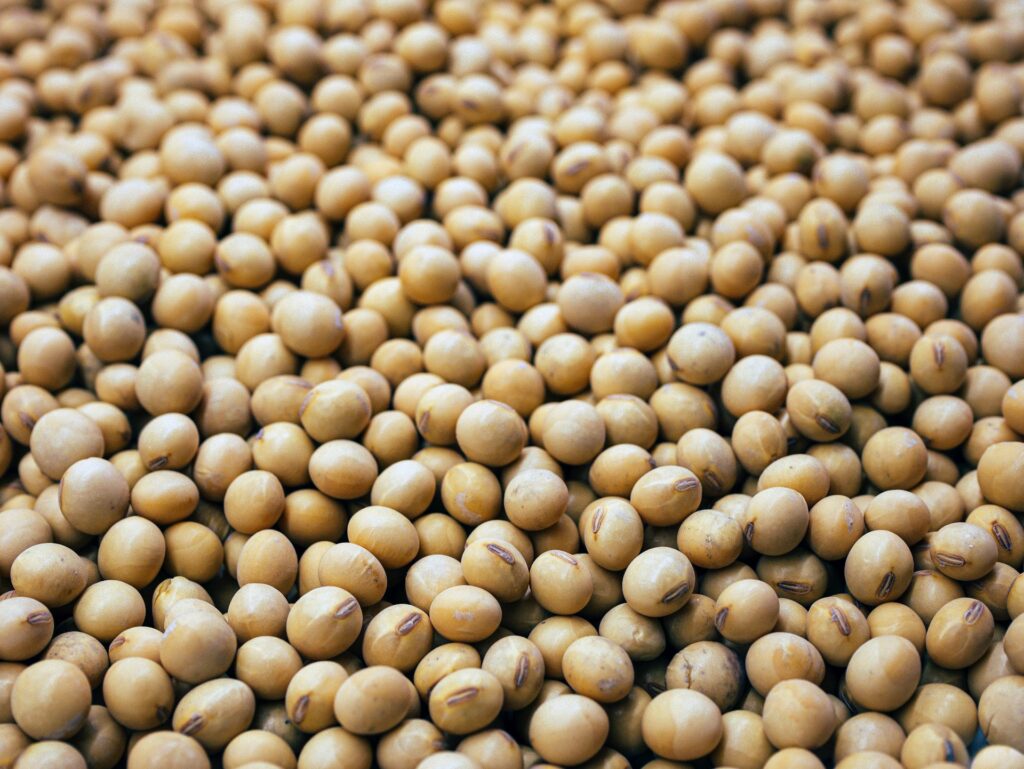
The Humble Soybean
The soybean is a humble, yet powerful legume that has been cultivated for centuries. With over 200 soy-related peer-reviewed articles published annually and research spanning 25 years, the soybean is a nutritional powerhouse that can be enjoyed in a variety of ways. Let’s take a closer look and discover all the incredible things it can do.
Hypertension
High blood pressure is one of the risk factors for Coronary Heart Disease (CHD); a chronic lifestyle disease. CHD is a slow process and starts with fatty deposit build up on the inner walls of the arteries of the heart and the brain. This may lead to narrowing of the arteries that supply the heart and the brain with oxygen, and this may lead to a heart attack or stroke.

Inflammation Part 2
Make sure to read Part 1, the causes of chronic inflammation. WHAT ABOUT DIET? How does diet impact chronic inflammation? What you eat can play both a positive and negative role in managing chronic inflammation. There are foods that can aggravate chronic inflammation (pro-inflammatory foods) and those that are anti-inflammatory.

Inflammation Part 1
INFLAMMATION occurs when the body is harmed in any way – from infections / injury / toxins – and is an immune response that the body initiates against local tissue damage. Inflammation is a necessary response from our immune system against a foreign body (or antigen). Poor diet and stress overwhelm the immune system , leading to excessive inflammation.

The Simple Truth
This is part 2 in our new series on plant-based lifestyles. FACT: Many high fat, high sugar, salty, refined foods do taste good! The simple truth: In the bigger picture, these foods do have a place….. what is a family function without that traditional trifle, for instance? And that is exactly it: eaten now and then (not daily or even weekly!) these foods are fine and not damaging to the body.

Rethink the foods you like!
Soya Life proudly presents you with a series on plant-based lifestyles. Ask yourself the following question: WHAT is/are your favourite food / foods? And a second question: WHY are these your favourite foods?