Hypertension
What is it?
High blood pressure is one of the risk factors for Coronary Heart Disease (CHD); a chronic lifestyle disease. CHD is a slow process and starts with fatty deposit build up on the inner walls of the arteries of the heart and the brain. This may lead to narrowing of the arteries that supply the heart and the brain with oxygen, and this may lead to a heart attack or stroke.
Ideal blood pressure is 120/80 mmHg. If your blood pressure is regularly higher than 140/90, you have high blood pressure.
Symptoms of HIGH BLOOD PRESSURE
Known as the “silent killer”, having high blood pressure comes with no symptoms. Sometimes, severe headache can be indicative of high blood pressure, but not always.
Risk factors contributing to an increased risk for CHD:
- High blood cholesterol
- High blood pressure
- Overweight
- Diabetes
- Smoking
- Stress
- Lack of exercise
- A family history of CHD
Causes of HYPERTENSION
- Poor Lifestyle:
- Overweight / obesity: 1kg extra weight gained results in the heart having to pump blood through an extra 1km blood vessels = extreme strain on the heart
- Lack of exercise = lowered oxygen uptake by the cells/organs of the body = decreased organ function.
- Poor Diet
Food culprits:
- Sodium (excess salt)
- Saturated fats (excess intake)
- Refined carbs (sugar, refined flour, mealie meal)
- Insufficient fresh fruits and veggies
- Insufficient intake of wholegrains as opposed to refined grains
- Calcium
In other words: ALL PROCESSED (BOX/CANNED/BOTTLED) FOODS.
PROCESSED = not in its natural/original form, usually preserved with salt and other preservatives
- Boxed (crumbed/processed) fish / chicken / meat / soya products)
- Canned soups / vegetables / meat / fish / tuna / poultry / seafood (all contain SODIUM)
- Bottled sauces, condiments, mayonnaise, pickles
(Check the sodium content per 100g of all these products: Rule of thumb: not >100mg sodium/100g)
- Chronic use of Analgesic medications
How does chronic hypertension impact the body?
CKD:
- Kidney damage represents a frequent event in the course of hypertension
- Range: from a benign to a malignant form of nephropathy
- Several factors are involved including:
- Individual susceptibility
- Degree of hypertension
- Type of etiology
- Underlying kidney disease.
All of these are linked to the development of several diseases, including:
- Heart disease
- Type 2 diabetes
- Obesity
- Chronic kidney disease
How is chronic HIGH BLOOD PRESSURE treated?
- Pharmacological
- Diet
- Lifestyle changes: Losing weight (if overweight or obese), increasing physical activity, and dietary changes (like a low glycemic diet and reduced saturated fat intake), have all been shown to help reduce inflammation.
Recommended lifestyle changes:
- Weight management – if you are overweight, losing weight can decrease your blood pressure (resulting in less medication being required)
- Regular exercise – improve your fitness levels gradually (e.g. brisk walking, cycling, jogging, swimming, climbing steps, rowing, aerobic classes)
- Stop smoking
- Stress management
- Sufficient sleep
DIETARY FACTORS
Limit SALT (sodium) intake – no more than 1 tsp/day in total.
- Avoid food with a high sodium content:
Classification of foods by salt content
| Low in salt | Moderate in salt | High in salt | Very high in salt |
|---|---|---|---|
| Can be included in diet on a daily basis | Can be included in diet | Do not eat regularly and only eat small amounts | Avoid eating these foods |
| Oats Beans SOYA PRODUCTS* Pasta, durum wheat Cooked beef/chicken Grilled fish Peanuts, unsalted Cashew nuts, unsalted Commercial mayonnaise Olive oil Flora extra light Homemade soup Tomato sauce, small Tomato chutney Low salt beef stock Sweet & sour sauce Peanut butter, salt-free Mixed herbs Fresh and frozen vegetables Fresh fruit Soy sauce (low sodium) | Rusks Provitas Tuna in water Fish cakes, homemade Mozarella cheese Cottage cheese Homemade gravy | Commercial muesli Polony Sliced cooked ham Vienna sausages Camembert cheese Processed cheese Cheddar cheese Brick margarine Gravy, made with powder Barbeque sauce Soy sauce (regular) Bovril/Marmite Unsalted chips | Cornflakes 2 Minute Noodles Pie’s Boerewors Anchovy Smoked fish Biltong Fish cakes, commercial Salted peanuts Salted chips Nuts, salted Salted popcorn Packet soup, commercial Feta cheese Table salt All tinned products |
- Read labels on food packages, avoid the following ingredients:
- Baking powder
- Baking soda
- Disodium phosphate
- MSG (monosodium glutamate)
- Sodium alginate
- Sodium benzoate
- Sodium hydroxide
- Sodium nitrate (often found in smoked foods)
- Sodium proprionate
- Sodium sulfite
Practical tips:
- Add salt while preparing your food and not raw at the table.
- When tinned foods must be used, drain and rinse to remove salt.
- Use the following to flavor food:
- A slice of lemon or lemon juice
- Balsamic vinegar
- Tabasco Sauce
- Garlic, ginger, peppers, dry mustard, pepper, onion, mushrooms, tomatoes, parsley
- Moderate amounts of wine and fruit juice can be added to meat
- Fresh herbs like turmeric, oregano, rosemary and marjoram
- Some spices like curry and cinnamon can also be used, check the label for sodium content.
Decrease FAT intake – especially saturated fats

How to lower fat intake
- Keep overall fat intake low (1-2 tsp/day of marg/olive/canola oil)
- Avoid animal fats (also avoid coconut and palm kernel oil)
- Keep intake of foods high in dietary cholesterol low, e.g. use a maximum of 2-3 eggs per week; have shellfish / organ meats no more than once a month
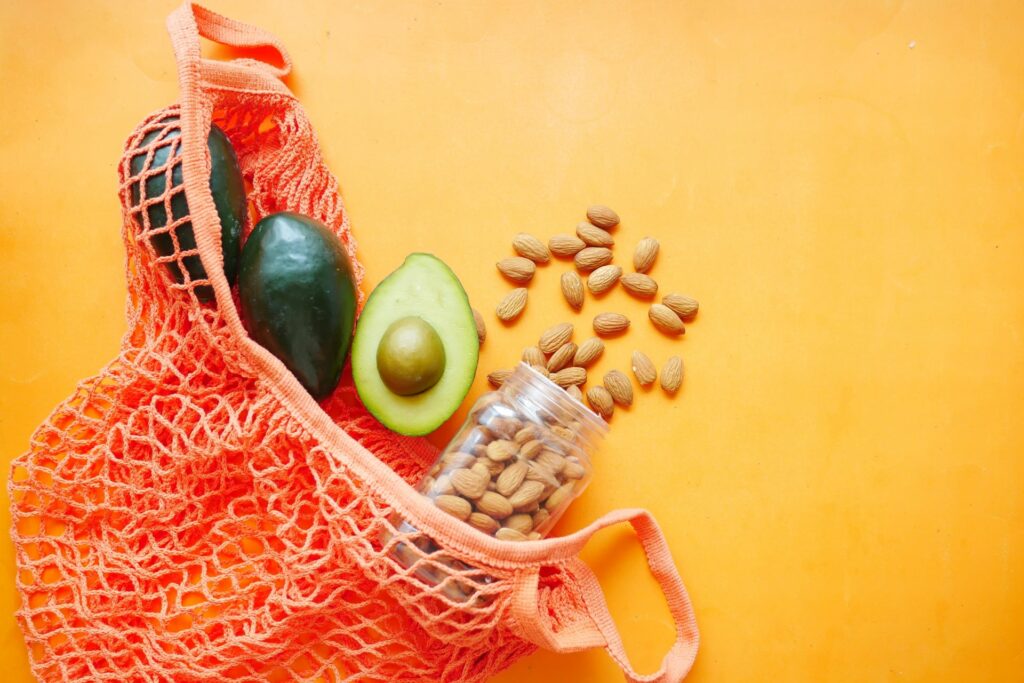
- Use small quantities of monounsaturated fats (avocado, olive or canola oil, olives, nuts) daily
- Use essential fatty acids (e.g. Salmon omega-3 – 1000ml/day)
- Avoid trans fatty acids, often found in “hydrogenated” or “partially hydrogenated” oils (e.g. hard brick margarines), also found in commercially baked goods.
Tips for reducing overall fat intake
- Buy lean cuts of meat and chicken (skinless) – trim off all visible fat BEFORE cooking
- Read your food labels:
-
-
- Low fat products – < 3g fat / 100g
- You can also check the fat content per serving and then calculate your own daily fat intake, which needs to be ± 30g per day for women and ± 40g per day for men. Only buy products that have < 5g fat / serving of the specific product.
-
-
- Use low-fat cooking methods: grill / stew / roast / boil / stir-fry (1 tsp olive/canola oil/cooking spray)
- Avoid take-away meals as far as possible (keep some frozen meals on standby for days when you’re rushed for time or don’t feel like cooking)
- Avoid chocolates and crisps (use fat-free sweets, e.g. jelly sweets, wine gums, marshmallows, ect. in small amount when you feel like having something sweet)
- When eating out: choose the grilled fish/chicken (no basting sauce), salad (no dressing), vegetables (sauce to be served separately); pasta (tomato-based sauce); baked potato instead of the fries; fruit salad or sorbet for dessert.
How to cut out saturated fats
- Use skim or low fat milk
- Use low fat cheeses and fat-free cottage cheese
- Use fat-free or low fat yoghurt
- Use soft, tub margarines (Flora lite / Ole / Canola)
- Avoid tropical oils (palm kernel and coconut oil – used in commercially baked goods)
- Avoid products whose labels read “hydrogenated”, e.g. hard brick margarines
- Avoid fatty red meat – remove all visible fat before cooking and buy lean cuts of meat
- Use red meat no more than 3 x per week, in small portions
- Avoid frying foods
- Avoid processed meats (viennas, sausages, bacon, ect.)
- Eat plenty of fish (giving you the good type of fatty acids)
- Use monounsaturated fats (olive and canola oil, olives, avocado and nuts) in small amounts.
Increase FIBRE intake – especially soluble fibre
- Fibre – especially soluble fibre decreases the risk of CHD
- Use LOW GI carbohydrate choices, rich in soluble fibre
-
- Low GI carbohydrate foods (those with a low GI), give a slow steady release of glucose into the blood stream resulting in a steady supply of energy to the body. Consistent blood sugar levels decrease the risk for lifestyle diseases such as diabetes, hyperlipidaemia and hypertension.
- Low GI carbohydrates: heavy seed breads, low GI breads, high-fibre cereals (All Bran, Hi-Fibre Bran, Muesli), legumes, fruit and vegetables, durum wheat pasta, rice, mealies, ect.
- Avoid high GI carbohydrates: refined starch foods such as foods made with refined flour (cake flour, maizena), refined breakfast cereals (Corn Flakes, Special K, Weetbix), biscuits, sweetened cold drinks (Coke, Energade), crisps, pies, savoury snacks, ect. These high GI foods should be avoided as far as possible.
-
- Increase your intake of soluble fibre
-
- Oats
- Oat bran
- Fresh fruit and vegetables
- Hi-fibre Bran cereal
- High fibre breads – e.g. heavy rye breads, seed loafs, ect.
- High fibre grains, such as brown rice, pearl barley, durum wheat pasta / whole wheat pasta
- Legumes: beans, lentils, chickpeas, split peas, ect.
- Potato with the skin, sweet potato
-
HOW DOES A PLANT-BASED DIET consisting of mainly UNPROCESSED, LOW FAT, LOW SALT PLANT-FOODS IMPROVE HYPERTENSION?
- A high intake of high fibre foods protects blood vessels, improves heart health, and reduces hypertension
- A low fat diet – especially saturated fats found in animal foods, lowers hypertension.
- Antioxidants
Free radicals are unstable atoms that can damage cells, causing illness and aging. They are linked to aging and a host of diseases.
Antioxidants are the body’s “defence squad” which destroy the free radicals (and the potential damage it may cause), at the point of entry into the cells.
One can slow down the oxidation process by eating foods containing lots of antioxidants.
A high intake of antioxidants prevent inflammation in the blood vessels and as such reduce HYPERTENSION.
Antioxidants are present in all fruits, vegetables, herbs and spices. Some fruits and veggies are higher in antioxidants than others. However if one consumes fruits, veggies, herbs and spices at every meal, this would continuously flood the body with antioxidants to ward off inflammatory damage and disease.
Potent antioxidant-rich foods include:
- Leafy greens, like kale and spinach
- Tomatoes
- Several spices may also help with chronic inflammation and inflammatory disease, including ginger, garlic, and cayenne.
- Fruits, especially cherries, blueberries, and oranges
In conclusion
Plant-based eating is your best defense against hypertension in addition to making wise lifestyle choices, the benefits are numerous.
It’s never too late in life for a change!
Comments are closed.