
Plant-Based Lifestyles: Brain Health
Prevent or slow down the progression of dementia/age-related cognitive decline.
Dementia:
Dementia is a general term used to describe a decline in cognitive abilities (such as memory, language, and decision-making) that is severe enough to interfere with a person’s daily life. It is not a specific disease but rather a group of symptoms that are caused by various underlying conditions, including Alzheimer’s disease, vascular dementia, Lewy body dementia, frontotemporal dementia, and others.
Dementia is progressive, meaning that the symptoms typically worsen over time, and it can eventually lead to a loss of independence and a need for full-time care.
Alzheimer’s:
Alzheimer’s disease is a form of dementia and is a progressive neurological disorder that affects the brain and leads to a decline in cognitive abilities, including memory, thinking, and behavior. It is the most common cause of dementia, accounting for 60-80% of cases.
The hallmark of Alzheimer’s disease is the accumulation of abnormal protein deposits, including beta-amyloid plaques and tau protein tangles, in the brain. These deposits interfere with communication between brain cells, leading to their dysfunction and eventual death.
The symptoms of Alzheimer’s disease typically develop slowly and worsen over time, and they can include memory loss, confusion, difficulty with language, disorientation, mood and personality changes, and loss of motivation and initiative.
While there is no cure for dementia and Alzheimer’s disease, there are treatments and interventions that can help manage the symptoms and improve quality of life for people with the condition.
Plant-based diets have many benefits to brain health.
There are several physiological mechanisms through which a diet primarily consisting of vegetables, fruits, legumes, and other plant-based proteins can improve brain health.
- ANTIOXIDANTS
Plant-based diets are typically rich in antioxidants such as vitamins C, E, and A, which can protect the brain from oxidative stress and inflammation. Oxidative stress can damage brain cells and lead to cognitive decline and neurodegenerative diseases such as Alzheimer’s and Parkinson’s disease.
- HEALTHY GUT MICROBIOME
Plant-based diets are high in fibre which promotes a healthy gut microbiome. Research suggests that a healthy gut microbiome can positively impact brain function and reduce the risk of cognitive decline.
- REDUCED RISK OF CARDIOVASCULAR DISEASE
Plant-based diets are typically low in saturated and trans fats, which can increase the risk of cardiovascular disease. Cardiovascular disease can restrict blood flow to the brain, leading to cognitive impairment and an increased risk of stroke. By reducing the risk of cardiovascular disease, a plant-based diet can improve brain health.
- MICRONUTRIENTS THAT IMPROVE COGNITIVE FUNCTION
Plant-based diets are rich in nutrients such as folate, vitamin K, and magnesium, which have been shown to improve cognitive function and reduce the risk of age-related cognitive decline.
In summary, a plant-based diet can improve brain health through its high content of antioxidants, fibre, and nutrients, its low content of saturated and trans fats, and its potential to promote a healthy gut microbiome.
Specific plant-based foods are good for the brain and the prevention of Alzehiemer’s.
While there is no one specific plant food that can prevent dementia, research suggests that incorporating a variety of plant-based foods into the diet can have a positive impact on brain health and potentially reduce the risk of cognitive decline and dementia.
EXAMPLES of some plant-based foods that have been linked to improved brain health:
- Leafy green vegetables: Spinach, kale, collard greens, and other leafy green vegetables are rich in nutrients such as folate, vitamin K, and antioxidants, which have been shown to improve cognitive function and potentially reduce the risk of Alzheimer’s disease.
- Berries: Blueberries, strawberries, raspberries, and other berries are high in antioxidants and anti-inflammatory compounds that may help protect the brain from oxidative stress and inflammation. ½ cup of berries per day is an easy prescription to incorporate in daily diets!
- Nuts and seeds: Walnuts, almonds, sunflower seeds, and other nuts and seeds are rich in healthy fats, vitamin E, and other nutrients that may promote brain health and reduce the risk of cognitive decline.
- Whole grains: Whole grains such as oats, brown rice, and quinoa are high in fiber, vitamins, and minerals, which may help protect the brain from cognitive decline.
- Legumes: Beans, lentils, chickpeas, and other legumes are high in fiber, protein, and nutrients such as folate and magnesium, which have been linked to improved cognitive function and a reduced risk of dementia.
Beans and Legumes are rich in:
- Protein
- Iron
- Zinc
- Fibre (heart-protective)
- Folate (heart protective)
- Potassium
And are naturally low in heart-damaging nutrients:
- Saturated fat
- Sodium / salt
- Free of cholesterol, and as such are heart protective.
Daily recommendation: 2-3 servings LEGUMES per day
Spotlight on Soya.
Soy has been suggested as a potential dietary factor in the prevention of dementia, particularly Alzheimer’s disease, due to its high content of isoflavones. Isoflavones are phytoestrogens, which are plant compounds that can mimic the effects of estrogen in the body.
Research suggests that soy isoflavones may have a protective effect on the brain by reducing inflammation, improving blood flow, and reducing oxidative stress. Additionally, isoflavones may help prevent the accumulation of beta-amyloid plaques, which, as mentioned above, are a hallmark feature of Alzheimer’s disease.
Several observational studies have reported a link between soy consumption and improved cognitive function in older adults. For example, a study of over 1,800 elderly Japanese participants found that higher intake of soy products was associated with a reduced risk of cognitive impairment.
However, more research is needed to confirm and establish the role of soy in the prevention of dementia.
It is worth noting that soy products, particularly those that are minimally processed, can be a healthy source of protein and nutrients as part of a balanced diet.
However, individuals with certain medical conditions, such as thyroid problems, should consult with their healthcare provider before consuming large amounts of soy products.
NOTE: Small amounts of soy have been found to have no negative impact on thyroid function.
Incorporating a variety of these plant-based foods into the diet can have a positive impact on brain health and potentially reduce the risk of cognitive decline and dementia.
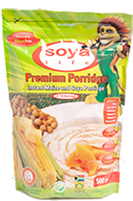
Soya Life Products: An easy solution in a plant-based eating plan.
Tip: The Soya Life Porridge and Meal Replacement Drink are excellent choices for the elderly, due to their incredibly nutritious composition, and their ease of preparation and use!
Sample pant-based eating plan: To prevent / slow down progression of dementia
| EAT MORE: | EAT FEWER: | EAT EVEN FEWER |
|---|---|---|
| Unprocessed plant foods | Processed plant foods (watch out for sodium/salt)s | Ultra-processed plant foods |
| Nothing bad added, nothing good taken away | Unprocessed, lean/low fat animal foods | Processed animal foods |
| Labels: | ||
| These foods have MORE of the protective nutrients and FEWER of the disease-promoting factors | SALT: ≤100mg/100g | |
| SUGAR: ≤5g/serving | ||
| FAT: ≤5g/serving |
| Portions per day | Portions per day | Per week | |||
| Legumes and beans 2 | Nuts and seeds | Animal Proteins 2 | 2 | ||
| Wholegrains 3 | Cruciferous vegetables | Dairy 1 | 7 | ||
| Green vegetables 1 | Other vegetables | Fats 3 | 7 | ||
| Berries 1 | Other fruits | Sugars 0-1 | 7 | ||
| Spices 1 | Flaxseed |
Protein foods
| Legumes and beans | Nuts and Seeds: | ||
|---|---|---|---|
| 2 servings/day Soybeans, split peas, chickpeas, red kidney beans, butter beans cannellini beans, lentils | 1 serving/day Almonds, brazils, cashews, chia seeds, hazelnuts, macadamia nuts, pecans, pistachios, pumpkin seeds, sesame seeds, sunflower seeds |
||
| Examples | Serving size | Examples | Serving size |
| Hummus / bean dip (home-made, salt-free) | 60g | SALT-FREE nuts/seeds | 30g |
| Cooked/canned beans*, split peas, lentils | ⅓ cup (130g) | Nut/ seed butters | 2 Tbs |
| Tofu / tempeh | ⅓ (130g) | ||
| Fresh peas / sprouted lentils | ⅓ cup (130g) | ||
| Edamame (soybeans in pods)–buy frozen | 150g | ||
| Animal Proteins | Dairy | ||
|---|---|---|---|
| 1-2 servings twice/week Optional: Choose lean. Mostly choose white meat chicken & fish Avoid processed meats / chicken / fish | Optional: Choose low fat options |
||
| Examples | Serving Size | Examples | Serving Size |
| Egg | 1 | Low fat milk Unsweetened, low fat yoghurt | 1 cup |
| Cheese, low fat | 30g 2/week | ||
| Cottage cheese | 4 Tbs | ||
| Tuna, canned in water: drain & rinse | 2 Tbs = 100ml | ||
| Salmon, fresh | 60g | ||
| White fish cooked | 70g | ||
| Beef /ostrich mince, extra lean, cooked | 30g cooked = 2Tbs | ||
| Lean roast meat | 30g cooked | ||
| Rump / sirloin steak | 30g = 3x5x2cm | ||
| Pork / lean lamb chop | 30g = ⅓ medium | ||
| Chicken drumstick | 30g = 1 small | ||
| Chicken thigh: no skin Chicken breast | 30g = ½ med | ||
Energy foods
| Wholegrains | |
|---|---|
| Examples | Serving Size |
| High fibre cereal: Bran Flakes/Hi Fibre Bran | ½ cup |
| Wholewheat/Apple-Bake Pronutro | ⅓ cup |
| Homemade, low fat Low GI muesli | ¼ cup |
| Cooked Oats (NOT EasyOats) | ½ cup |
| Low GI / Rye /Pumpernickel bread | 1 slice |
| Provitas | 3 |
| Ryvita, wholegrain | 2 |
| Popped popcorn | 1 ½ cups |
| Digestive biscuits | 2 |
| Soup: thicken with pureed beans/30g nuts | 1 cup |
| Mealie | 1 small |
| Potato | 1 medium |
| Baby potatoes | 2-3 |
| Mashed potato | 2-3 |
| Sweet potato | 50g |
| Cooked rice | ½ cup |
| Cooked durum wheat pasta / couscous | ½ cup |
Fruits
| Berries | |
|---|---|
| 1 serving/day | |
| Examples | Serving Size |
| Raspberries Blueberries Cranberries Goji berries Gooseberries Mulberries | ½ cup |
| Strawberries | 10 |
| Kumquats | 100g |
| Grapes | 10 |
Vegetables
| Vegetables | |
|---|---|
| Examples | Serving Size |
| CRUCIFEROUS 1/day | |
| Rocket | 30-80g chopped |
| Cabbage | ½ cup cooked |
| Broccoli, cauliflower | ½ cup cooked |
| Brussel sprouts | 12g |
| GREEN 1/day | |
| Bean sprouts | No limit |
| Lettuce | No limit |
| Spinach | No limit |
| Kale | No limit |
| OTHER 2/day | |
| Asparagus | 50g |
| Carrots | 50g / ½ cup |
| Celery | No limit |
| Cucumber | No limit |
| Eggplant / Brinjal | 50g |
| Robot peppers | No limit |
| Leeks | No limit |
| Onion | ½ cup cooked |
| All squash | ½ cup cooked |
| Tomatoes | No limit |
Other
| Spices | Flaxseeds | Fats | Sugar/Sweets | ||||
|---|---|---|---|---|---|---|---|
| 1 serving/day Sprinkle on oats, soups, salads | |||||||
| Examples | Serving Size | Examples | Serving Size | Examples | Serving Size | Examples | Serving Size |
| Turmeric | ¼ tsp | Ground flaxseeds | 1 tablespoon | Olive oil | 1tsp | Sugar / jam / honey | 1tsp |
| All other spices (salt-free!) | 1tsp | Canola oil | 1tsp | Jelly babies | 5 | ||
| All herbs | 1tsp | Salt-free margarine | 1tsp | Sparkles | 2 | ||
| Salt-free butter | 1tsp | ||||||
| Low sodium salad dressing | 2tsp | ||||||
Sample Menu
| Breakfast | Soya Life porridge + ½ Cup Berries |
| Snack | Soya Life meal replacement drink smoothie: Add 2 other fruits |
| Lunch | Wholegrain / rye toast + baked beans / soya patty tomato-onion gravy / bean soup |
| Snack | Fruit / Wholegrain crackers + nut butter / hummus |
| Supper | 2/week = meat/chicken 5/week = beans/lentils/soya strips + brown rice/pasta/potatoes/sweet potatoes + 3 portions veggies |
Comments are closed.